

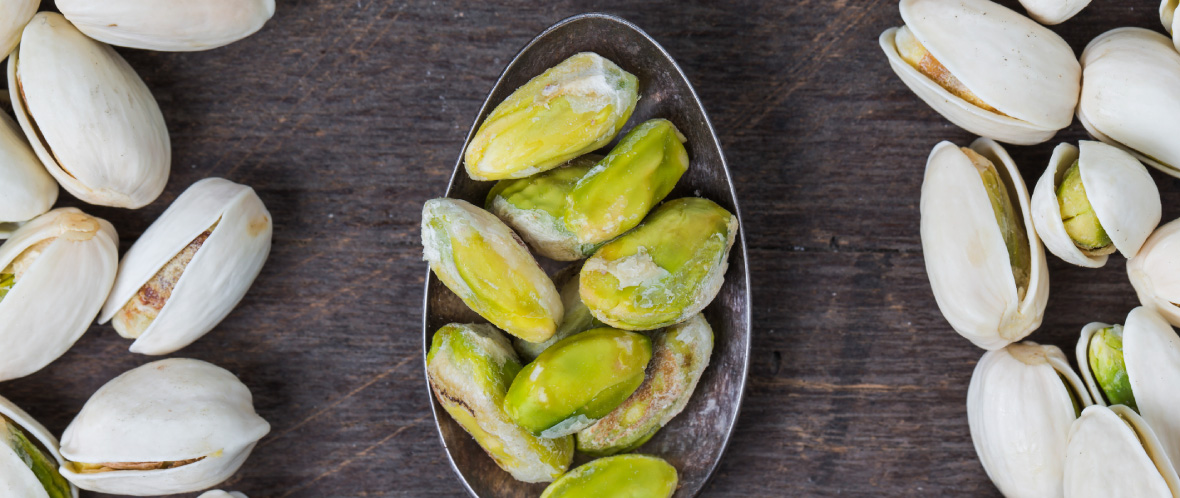
Among many nuts, pistachios are especially loved by Hong Kong people. Whether eaten as a snack straight from the shell or incorporated into desserts and drinks, pistachios add unique flavors. Pistachios mainly consist of saturated fats, polyunsaturated, and monounsaturated fats. Every 100 grams contains approximately 562 kcal, 45 grams of fat, and abundant minerals such as potassium, calcium, phosphorus, magnesium, as well as vitamins A, B-complex (note: nuts do not contain vitamin B12, which is only from animal sources), C, E, K, and folate. Additionally, antioxidants like lutein, zeaxanthin, and polyphenols help combat free radicals. Therefore, consuming a moderate number of pistachios helps control blood sugar and reduces the risk of chronic diseases.
Protect Cardiovascular Health
Rich in monounsaturated fats, pistachios help lower bad cholesterol (LDL) and raise good cholesterol (HDL). Moreover, pistachios contain the amino acid L-arginine, which the body converts into nitric oxide. This not only helps reduce blood pressure but also maintains vascular health, prevents arteriosclerosis, lowers cardiovascular disease risk, and improves heart health.
Stabilize Blood Sugar and Control Weight
Pistachios have a low glycemic index and are rich in dietary fiber and protein, which help control blood sugar fluctuations. They are a friendly snack choice for people with diabetes or those managing their weight.
Promote Gut Health
The prebiotic fiber in pistachios promotes the growth of beneficial gut bacteria and stimulates intestinal motility, improving digestion, enhancing nutrient absorption, reducing constipation, and lowering the risk of colorectal cancer.
Rich Nutrients
Pistachios are a source of plant-based protein and contain essential amino acids, vitamins, and minerals, especially vitamin B6, which supports red blood cell production and protects the nervous system. Thus, pistachios are an excellent protein source for vegetarians.
Protect Eyesight
The lutein and zeaxanthin in pistachios help filter blue light, protect retinal health, and reduce eye fatigue.
Although pistachios are nutrient-dense and beneficial for cardiovascular health, blood sugar stabilization, gut health, and nutrient supplementation, they are high in fat and calories. It is recommended to consume about 15 to 30 grams daily (approximately 15 to 30 kernels). Kidney patients should be cautious about potassium intake. Eating moderate amounts of less-processed pistachios, combined with a balanced diet and healthy lifestyle, not only satisfies taste buds but also supports overall health.