

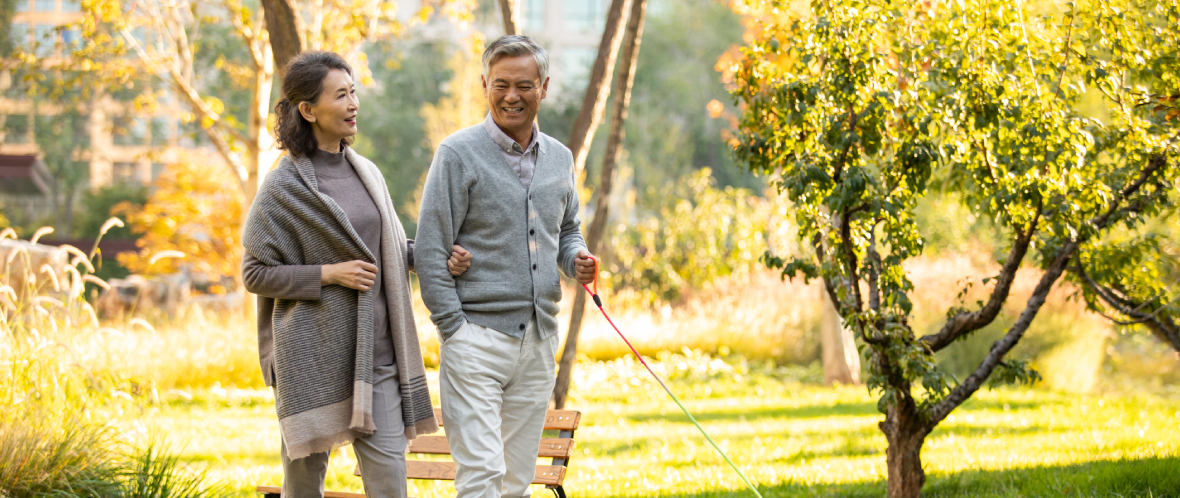
According to a study published in Preventive Medicine Reports, elderly individuals who own dogs can reduce their risk of severe dementia by about 40%. If they also maintain exercise and social engagement, the risk decreases further. This research shows that dog ownership positively affects elderly health, particularly in preventing dementia, helping them sustain a more active lifestyle.
Exercise and Dogs Together Enhance Dementia Prevention
Research has found that elderly individuals who own dogs and engage in moderate exercise can more effectively prevent cognitive impairment. Taking a dog for a walk every day, enjoying the sun, and breathing fresh air— even just a short walk downstairs—can get the elderly moving, exercise their muscles, improve blood circulation, and keep their minds clear. Additionally, vitamin D from sunlight helps maintain brain health. For elderly individuals in Hong Kong, this lifestyle combining exercise with dog ownership is practical and easy to implement, significantly reducing the risk of dementia.
Can interacting with dogs stimulate the brains of elderly?
Beyond increasing physical activity, dog ownership helps elderly maintain or grow their social networks. Dogs naturally facilitate interaction. During walks, elderly can easily connect with other dog owners or passersby. These daily exchanges stimulate the brain, reinforce community ties, and reduce loneliness—a known risk factor for dementia.
Can dogs help relieve stress for the elderly?
Daily tasks like feeding and grooming dogs help elderly maintain a routine, benefiting brain health. Additionally, dog companionship reduces stress. Interaction with dogs improves mood, and studies show stress can elevate dementia risk.
For Hong Kong’s elderly, dogs are more than pets; they are a support for healthy living. Through daily interactions with dogs, the elderly gain both physical and mental benefits, enhancing their overall well-being and enabling a more fulfilling later life.