

Understanding Chikungunya Fever
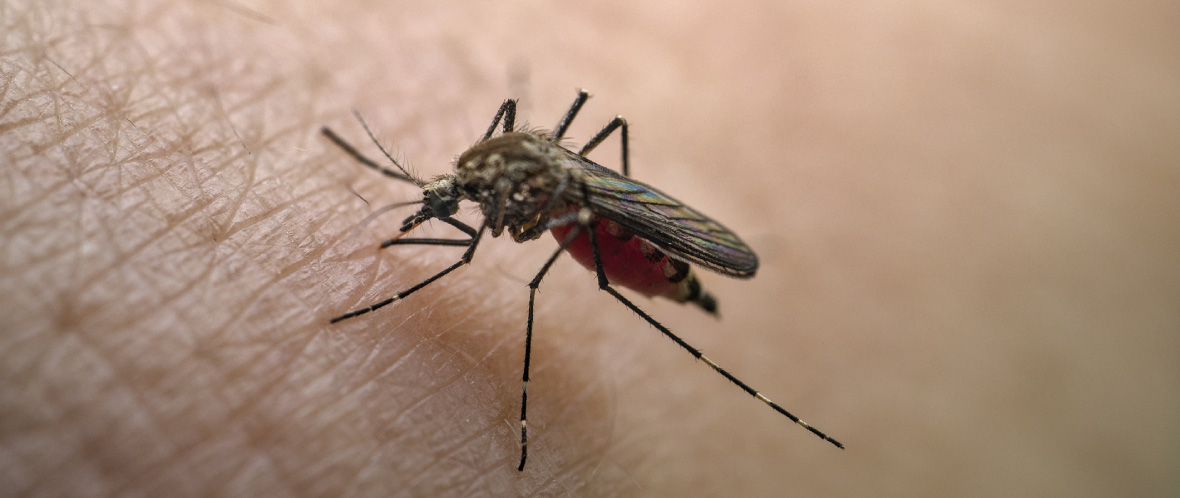
Chikungunya fever is a viral infection spread through mosquito bites, mainly by Aedes aegypti and Aedes albopictus. The main symptoms include high fever, severe joint pain, headache, rash, and muscle pain. The symptoms resemble those of dengue fever, but the joint pain tends to be more intense and long‑lasting. Most patients recover fully, but older adults and people with weakened immune systems face a higher risk of complications. Therefore, understanding the disease and adopting preventive measures are essential to lowering infection risks.
As of early November 2025, Hong Kong had recorded about 59 confirmed cases, including 3 local transmissions and the rest being imported cases. The government has also set up medical stations to provide testing services for affected residents. Meanwhile, the number of cases in nearby Guangdong Province has been gradually declining, with recent clusters mainly concentrated in Foshan, Jiangmen, and Shenzhen.
Effective Measures to Prevent Chikungunya Fever
The virus spreads through mosquito bites from infected mosquitoes. Hong Kong’s warm and humid climate is conducive to mosquito breeding, especially during summer and the rainy season. If travelers bring the virus from affected regions, local mosquitoes may transmit it further, raising the risk of community spread. Recommended preventive measures include:
- Wearing light-colored, long‑sleeved shirts and trousers to cover exposed skin, especially during early morning and evening when mosquitoes are most active.
- Applying mosquito repellents containing DEET or Picaridin to exposed skin and clothing.
- Avoiding mosquito‑prone areas such as stagnant water, bushes, and grassy areas.
- Continuing mosquito precautions for 14 days after returning from affected areas to prevent introducing the virus locally.
- Regularly clearing water from flowerpot trays, empty bottles, and blocked drains to eliminate mosquito breeding sites.
- Installing window and door screens to reduce indoor mosquito entry.
- Reporting mosquito infestation hotspots to the government promptly.
If symptoms such as fever, sudden severe joint pain, or rash appear, seek medical attention immediately and inform the doctor of any recent travel history. Early diagnosis and isolation can help prevent further spread. Although Chikungunya has a low fatality rate, the joint pain it causes may persist for weeks or even months, affecting quality of life. Through personal protection, household maintenance, and community cooperation, individuals can effectively reduce infection and transmission risks, helping to safeguard public health.