

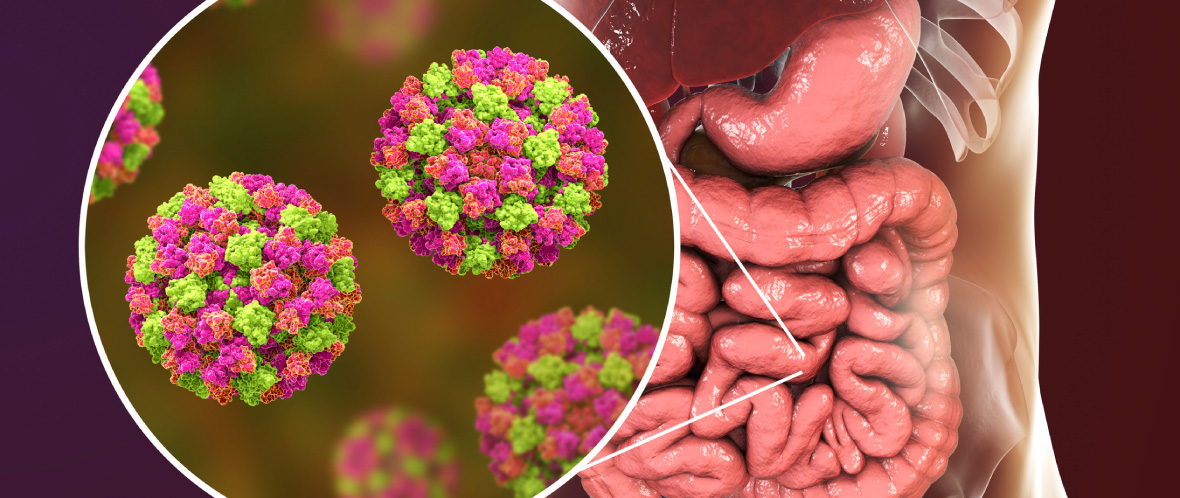
Norovirus is a highly contagious virus that commonly causes acute gastroenteritis. The Hong Kong Centre for Health Protection indicates that norovirus is transmitted through routes including consuming contaminated food (such as seafood) or water, contact with infected individuals, touching contaminated objects or surfaces, and inhaling airborne viral particles.
The Relationship Between Shellfish and Norovirus
Shellfish filter large amounts of seawater through their gills for feeding. If they grow in polluted waters, they can easily become contaminated. Norovirus can attach to the digestive systems of shellfish, making it difficult to remove through general washing. Therefore, eating raw oysters or undercooked shellfish carries a particularly high risk of norovirus infection. To reduce the risk of infection, seafood should be thoroughly cooked before consumption.
Gastrointestinal Health and Norovirus
Norovirus can cause acute gastroenteritis, leading to symptoms such as diarrhea and vomiting, and in severe cases, dehydration. Currently, there are no vaccines or specific treatments to prevent or treat norovirus infection, so young children, the elderly, and those with weakened immune systems need to pay particular attention to their diet and personal hygiene.
Transmission Routes of Norovirus
Eating or Drinking Contaminated Food or Water
Especially uncooked shellfish, such as raw oysters.
Having Direct Contact with Infected Individuals
Such as caring for infected individuals or sharing utensils.
Touching Contaminated Objects or Surfaces
Touching the eyes, nose, or mouth or eating after touching objects contaminated with Norovirus.
Inhaling Airborne Viral Particles
Norovirus can be transmitted through the air when an infected person vomits.
Preventing Norovirus
In addition to avoiding the consumption of uncooked seafood, attention should also be paid to personal hygiene and environmental cleanliness. The Hong Kong Centre for Health Protection recommends the following preventive measures:
Maintain Good Personal Hygiene
Wash hands with soap and water for at least 20 seconds after handling food, before eating, and after using the toilet. Although alcohol-based hand sanitizers can kill many germs, they have limited effectiveness against Norovirus and cannot replace traditional handwashing with soap.
Wear Protective Gear
When cleaning up the vomit or feces of infected individuals, wear protective equipment such as gloves and surgical masks, and thoroughly wash hands afterward.
Infected Individuals Should Stay Home
People who are unfortunately infected with norovirus should avoid public places and seek medical attention promptly.
Purchase Shellfish from Reliable Suppliers
Shellfish should be purchased from reliable suppliers approved by the Food and Environmental Hygiene Department, and suppliers must provide health certificates issued by the relevant authorities in the place of origin.
Norovirus is a highly contagious virus. Maintaining proper personal hygiene and dietary habits can effectively prevent it, protecting the health of yourself and others.