

As we age, natural muscle loss occurs. Factors such as lack of exercise, poor nutrition, and chronic diseases accelerate the decline in muscle mass and strength. According to the Red Cross Health Friends Newsletter, people aged 60 and above in Hong Kong are at high risk of sarcopenia, with prevalence rates around 11% for males and 7% for females. So, what impact does sarcopenia have on our daily lives?
Health Impacts of Sarcopenia
- Sarcopenia leads to reduced muscle strength and balance, making falls more likely and increasing the risk of fractures. Hospitalization and mortality rates after falls also rise significantly.
- Muscle loss makes seemingly simple daily activities such as walking, climbing stairs, and carrying objects increasingly difficult for the elderly, reducing their mobility and self-care ability. This affects their daily life, mental health, and overall quality of life.
- Insufficient physical activity significantly increases insulin resistance, impairing blood sugar metabolism and raising the risk of diabetes.
Simple At-Home Test
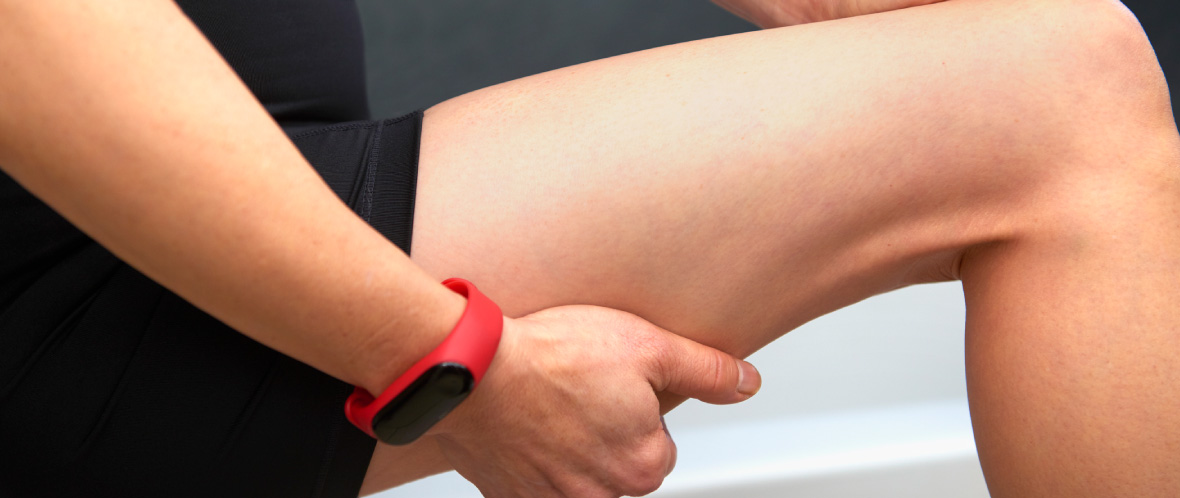
Sit on a chair with knees bent at 90 degrees. Use a soft measuring tape to measure the circumference of the thickest part of the calf. If the measurement is less than 34 cm for men or less than 33 cm for women, there may be insufficient muscle mass and a higher risk of sarcopenia. Professional assessment is recommended.
Although aging is a natural process, lack of exercise, poor nutrition, chronic diseases, and inflammation accelerate muscle loss. Therefore, it is important to take preventive measures early and learn how to slow down the effects of sarcopenia.
Prevention and Treatment Methods
- Consume a balanced diet daily, ensuring adequate protein intake at every meal. For elderly individuals with normal kidney function, it is recommended to consume 1–1.2 grams of protein per kilogram of body weight daily. For example, a 60-kg elderly person should consume 60–72 grams of protein evenly distributed across meals. This helps prevent muscle breakdown and slows muscle loss. Additionally, daily supplementation of vitamin D and calcium supports muscle and bone health.
- Engage in resistance and weight-bearing exercises 2–3 times per week, such as walking, swimming, or practicing Tai Chi. These activities effectively increase muscle mass, improve muscle strength and balance, slow muscle loss, and reduce fall risk.
Through healthy eating, appropriate exercise, and reducing sedentary time, elderly individuals can effectively slow muscle loss despite aging, maintain quality of life, preserve health and self-care ability, and reduce the impact of sarcopenia.