
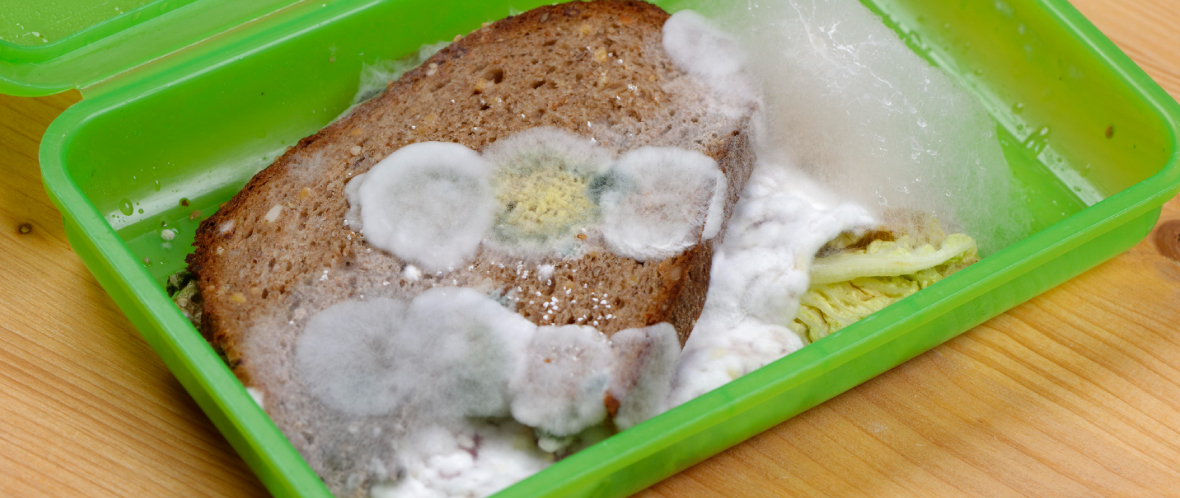
According to the Food Safety Centre, mold is commonly found on food and can produce harmful mycotoxins such as aflatoxins and deoxynivalenol, posing potential risks to human health. While acute poisoning from eating moldy food is uncommon, long-term consumption may increase the risk of diseases like liver cancer. Hong Kong's humid and warm climate makes it particularly susceptible to mold growth on food. Many people believe that it is safe to eat the remaining part of the food after cutting off the moldy portion, but is this really the case?
Food Mold is a Type of Fungus
Fungi grow in warm and humid environments, commonly found on foods like bread, dairy products, fruits, and nuts. They often appear as visible green, white, or black spots with a fuzzy texture. According to the Centers for Disease Control and Prevention (CDC), molds reproduce by releasing spores that can spread through the air and grow inside food. Therefore, simply cutting off the moldy surface may not remove all the mold.
Impact of Food Mold on Human Health
Short-term Health Risks
According to the World Health Organization (WHO), consuming mold-contaminated food can cause gastrointestinal discomfort, leading to nausea, vomiting, and diarrhea. For individuals with allergies, eating contaminated food may trigger allergic reactions such as skin rashes or respiratory difficulties.
Long-term Health Risks
One type of mold, aflatoxin, is classified by the WHO as a Class 1 carcinogen. Long-term exposure may increase the risk of liver cancer. Additionally, the U.S. Food and Drug Administration (FDA) notes that certain mycotoxins, such as ochratoxin, can damage kidney function when consumed in low doses over a prolonged period.
Preventing Food Mold Contamination
Proper Storage of Food
The Centre for Food Safety in Hong Kong recommends storing perishable foods such as dairy products and fruits in refrigerators below 4°C and avoiding prolonged storage. Dry goods like rice and nuts should be sealed and kept in a cool, dry place to reduce the risk of mold growth in humid environments.
Ensuring Food Safety
When purchasing food, check that food packaging is intact and avoid products with unusual odors or discoloration. If mold is found, discard the contaminated food immediately and clean any containers that have come into contact with mold to prevent cross-contamination.
Enhancing Food Safety Awareness
According to the Consumer Council of Hong Kong, when selecting fresh ingredients, pay attention to production dates and shelf life, and avoid exposing food to high temperatures and humidity. Regularly cleaning storage spaces at home to ensure good air circulation also helps reduce mold growth.
Food mold can cause short-term gastrointestinal discomfort and increase cancer risk over the long term. Therefore, proper storage and inspection of food are crucial. Prevention starts at the source, making dining safer!