
Major Symptoms and Transmission Routes
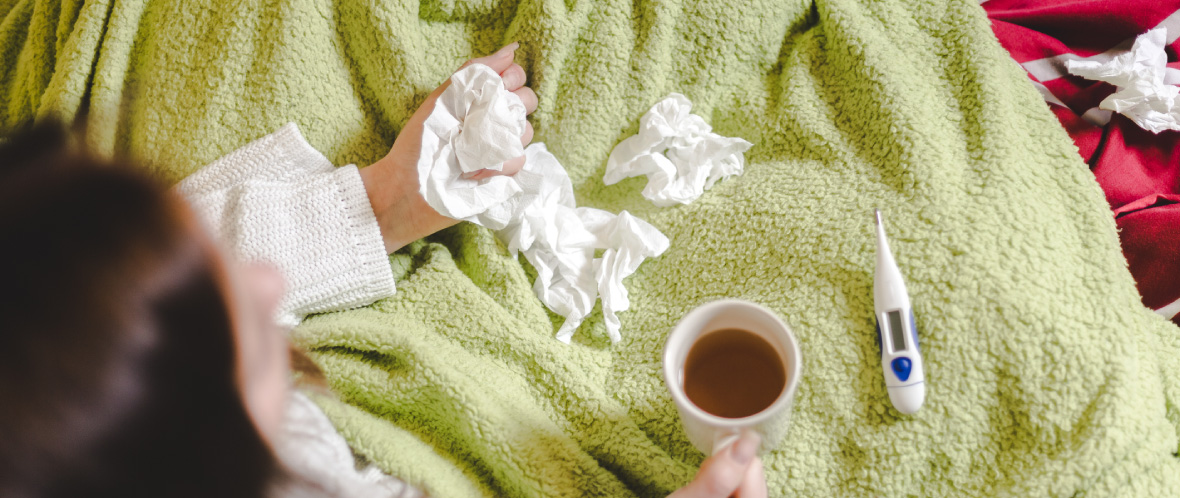
Influenza can be divided into Type A, B, and C. Among them, Type A mutates more easily and spreads more quickly. After infection, patients often develop fever, cough, sore throat, muscle aches, and fatigue. Severe cases may lead to pneumonia or other complications. Children, the elderly, and people with chronic conditions are considered high‑risk, as their illness may worsen after infection.
Personal Hygiene and Daily Protective Measures
Consistent daily preventive habits can help protect yourself and the community.
- Wash your hands frequently: Cover your mouth and nose with a tissue when sneezing or coughing. Dispose of the tissue properly and wash your hands thoroughly afterward. Also, wash hands with soap and water for at least 20 seconds before meals or after touching public facilities.
- Wear a mask: In crowded areas or when feeling unwell, wear a mask properly to prevent droplets from spreading through the air.
- Maintain indoor ventilation: Open windows often to let fresh air circulate, reducing the concentration and transmission of viruses indoors.
- Rest well when sick: Avoid crowded places to prevent passing the virus to others.
- Clean and disinfect regularly: Use appropriate disinfectants to clean frequently touched items such as door handles, tables, and mobile phones.
Getting the Influenza Vaccine
The Hong Kong government runs several vaccination subsidy schemes. Citizens can consult their doctors and choose suitable vaccines based on their health conditions.
- Vaccination is recommended for everyone aged six months or above. High‑risk groups include the elderly, children, those with chronic illnesses, pregnant women, and healthcare workers.
- It takes about two weeks for the body to build up immunity after vaccination, so early vaccination provides earlier protection.
- Some people may experience mild pain after an injection or slight nasal congestion after intranasal vaccination; this is a normal reaction.
Maintaining good personal and environmental hygiene and taking preventive measures early can help reduce the serious health impact of influenza. Good daily habits ensure a healthy lifestyle and protect both yourself and your family during flu season. If you feel unwell or have any concerns, seek medical advice promptly for accurate diagnosis and treatment.